Letting the Market Lead: Cooking as a Creative Practice Abroad
There is a particular kind of creativity that only begins when you stop following the recipe. Living abroad has taught me this more than anything else, and it happens most often in the kitchen.
Back in the place where we grew up, most of us cook from memory and habit. We know which aisle holds what, which brands we trust, which dishes we could make with our eyes half closed. Abroad, that map dissolves. The ingredients are different, the names are different, and the rhythm of the seasons is different. At first that feels like loss. Slowly, it starts to feel like an invitation.
When the Shopping List Stops Working
Anyone who has moved to a new country knows the small frustration of searching for something familiar and not finding it. A spice, a flour, a cut of meat, a particular cheese. You can spend energy chasing substitutes, or you can turn the question around.
Instead of asking what I need for the dish I already know, I have learned to ask what is here, right now, and what it wants to become. That single shift turns a shopping trip into a creative brief.
Letting the Market Lead
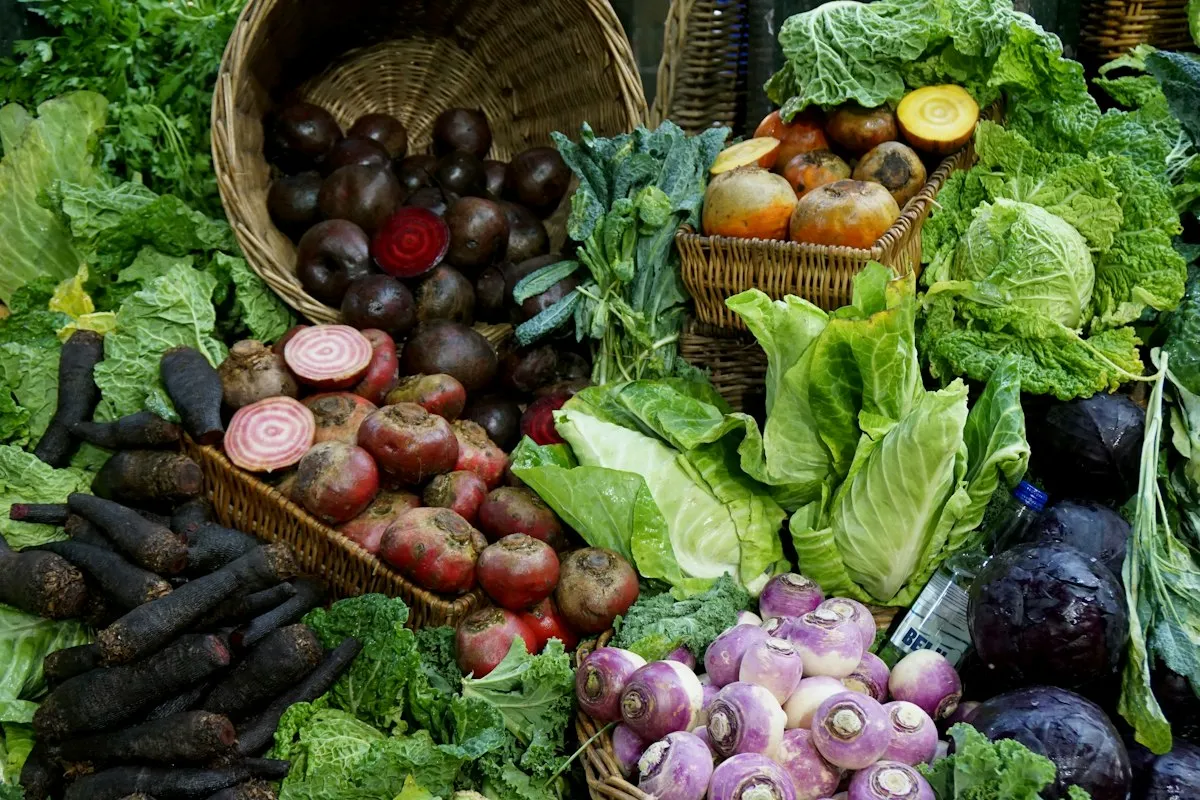
When I lived in Valencia, I learned what so many places around the Mediterranean already know: the market sets the tone. What is piled highest on the stalls tells you what is in season, what is abundant, and what is at its best. Following that abundance is one of the oldest creative disciplines there is.
Constraints are not the enemy of creativity; they are its frame. A painter chooses a limited palette. A poet chooses a form. A cook who lets the market decide is doing the same thing: accepting a boundary and discovering what is possible inside it.
Some days that means a simple plate of tomatoes, olive oil and salt that tastes like the whole summer. Other days it means an experiment that does not quite work, which is its own kind of education.
Borrowing Without Erasing
Cooking abroad brings a gentle responsibility. When we borrow from the food traditions of a place, we are borrowing from generations of people who refined those dishes long before we arrived.
I try to approach this with curiosity and respect. Learn how something is traditionally made before reinventing it. Ask questions. Notice what people care about and why. Then, if I bring a touch of my own history to a local ingredient, it becomes a conversation between two places rather than a replacement of one by the other.
Some of the most meaningful cooking I know is exactly that kind of conversation: the flavors you grew up with meeting the ingredients of the place you now call home. Neither cancels the other out. Together they make something new.
The Kitchen as a Studio
We often reserve the word creative for art that hangs on walls or plays through speakers. But the kitchen may be the most democratic studio we have. Everyone eats. Everyone can experiment. The materials change with the weather, and the work disappears at the end of the day, which frees you to try again tomorrow.
Thinking of the kitchen this way changes how you cook. Notes on combinations that surprised you become a kind of sketchbook. A quick photograph of a plate is not for anyone else, but a way to remember an idea. Failures become drafts rather than mistakes.
That same mindset tends to spill into other creative work. The willingness to begin without knowing exactly how something will turn out is a muscle, and the kitchen is a forgiving place to build it.
If you want to bring this practice into your own life, wherever you live, here are a few simple starting points:
Go to the market without a list once a week, and build a meal around whatever looks most alive. Learn one traditional local dish properly before improvising on it. Keep a small notebook of flavors, techniques and pairings that catch your attention. And invite one ingredient from your own heritage to meet one ingredient from your new home, just to see what they say to each other.
Making a Home, One Meal at a Time
There is something quietly powerful about cooking from the place you are in. It roots you in the season, in the landscape, and in the daily rhythms of the people around you. It turns the unfamiliar into something you can hold, taste and share.
Life beyond the familiar asks us to let go of certain comforts. In return, it offers us new materials to work with. The kitchen is one of the most generous places to accept that offer. Begin with what is in front of you, and let it teach you what to make.
