Small Courtesies: Learning the Unwritten Etiquette of a New Culture
Every culture has two rulebooks. The first is written down: the laws, the paperwork, the opening hours posted on a shop door. The second is never written anywhere, yet everyone seems to know it by heart. It lives in how people greet one another, how long they wait before getting to the point, what they do with their hands at the table, and what a pause in conversation is meant to say.
As an American living abroad, I have come to believe that this second rulebook is where a culture keeps its tenderness. It is also where a newcomer feels most exposed. You can study a language for years and still not know when to kiss a cheek, when to offer a hand, or when to simply say good morning to a room full of strangers.
The Etiquette No One Explains
Unwritten customs are, by their nature, rarely taught. Locals absorbed them as children, long before they had words for them, so asking someone to explain is a little like asking them to explain how they breathe. They may shrug, or laugh, or tell you it does not matter, when it quietly does.
This is why the small courtesies of a place can feel like a door that is open to everyone but you. Not because anyone is shutting you out, but because you have not yet learned where the handle is.
Greetings as a Kind of Map
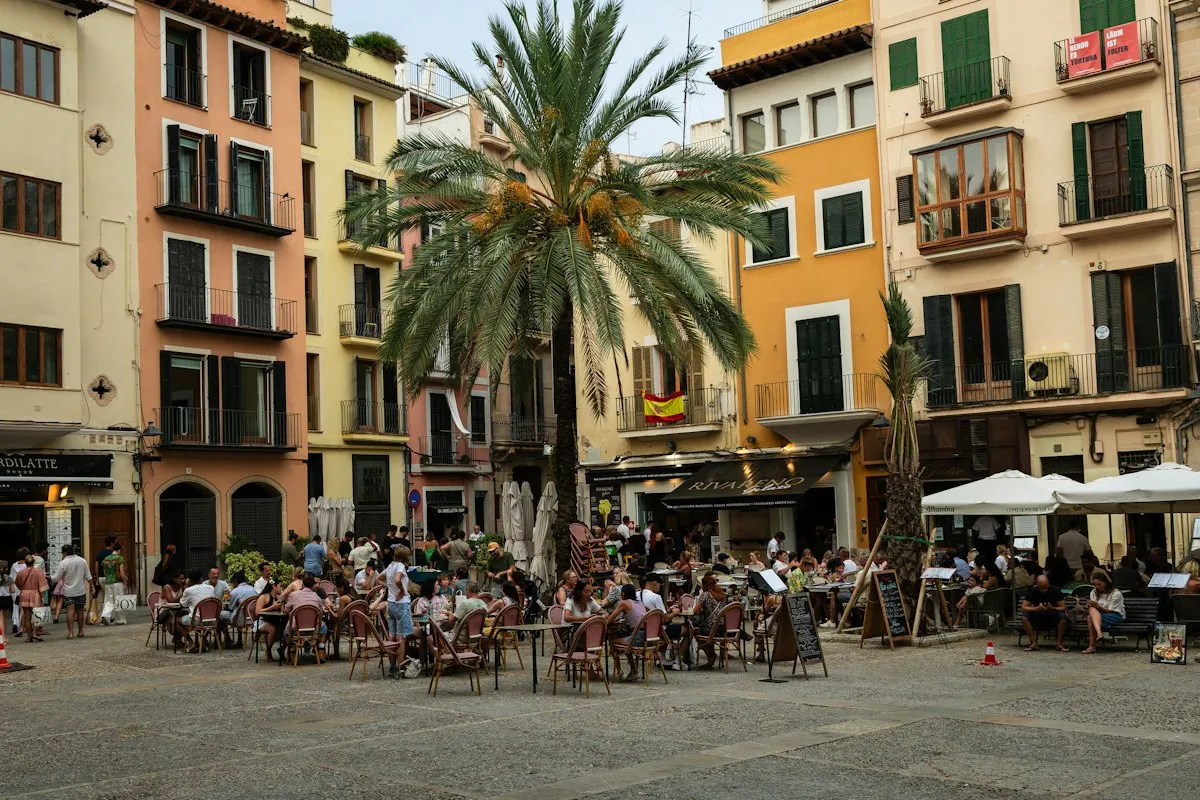
If there is one place to begin, it is the greeting. How people say hello tells you a great deal about what a culture values: warmth or reserve, hierarchy or ease, the individual or the group. In many parts of Spain, acknowledging others when you enter a small space, a waiting room or a lift or a neighbourhood shop, is simply part of being present. Leaving without a farewell can feel abrupt in a way a visitor might never notice.
Greetings are a map of closeness. Who you touch, who you address formally, who you call by first name and how quickly: each of these marks a boundary that locals read instantly. Paying attention to them is one of the gentlest ways to show respect before you have mastered anything else.
Time, Pace and Politeness
Courtesy is also bound up with time. In some cultures, getting straight to business is a sign of respect for someone's schedule. In others, it can feel cold, as though the person matters less than the task. A conversation that begins with family, weather or the day's small news is not a delay. It is the relationship being tended before anything is asked of it.
The same is true of meals, appointments and the pace of a queue. What looks like slowness to an outsider is often a different idea of what deserves attention. Learning to match that rhythm, rather than resent it, is one of the quieter courtesies a newcomer can offer.
Learning by Watching
The best teacher I know for unwritten rules is patient observation. Before speaking, watch. Notice how people enter a café, how they order, how they pay, how they leave. Notice the tone of voice used with elders, with children, with shopkeepers. Notice what makes people smile and what makes them go slightly still.
Observation turns etiquette from a test into a study. Instead of worrying about getting it wrong, you become curious about why it is done this way. And curiosity, unlike anxiety, tends to be visible and welcome. People can usually tell the difference between someone who is careless and someone who is trying.
The Grace of Getting It Wrong
You will make mistakes. You will lean in for one kiss when two were expected, use the familiar form when the formal one was called for, or arrive precisely on time to a gathering where no one else will appear for another half hour. These moments sting a little, and then they become part of your education.
What I find moving is how often a sincere effort is met with grace. A clumsy attempt at the local custom frequently earns more warmth than a perfect imitation would. It says: I see that your way of doing things matters, and I am willing to learn it. That willingness is itself a courtesy, perhaps the most important one.
Courtesy as Belonging
Over time, the second rulebook begins to feel less foreign. You find yourself greeting a room without thinking, lingering a moment longer before getting to the point, saying goodbye to the person behind the counter as if it were the most natural thing in the world. One day you realise you are no longer performing the custom. You are simply living it.
That, I think, is one of the truest signs of belonging. Not the paperwork or the address, but the small, unremarkable gestures that tell the people around you that you understand how they care for one another. Life beyond the familiar asks many things of us. Learning its courtesies is one of the most rewarding, because every small gesture is a way of saying: I am here, and I am paying attention.
