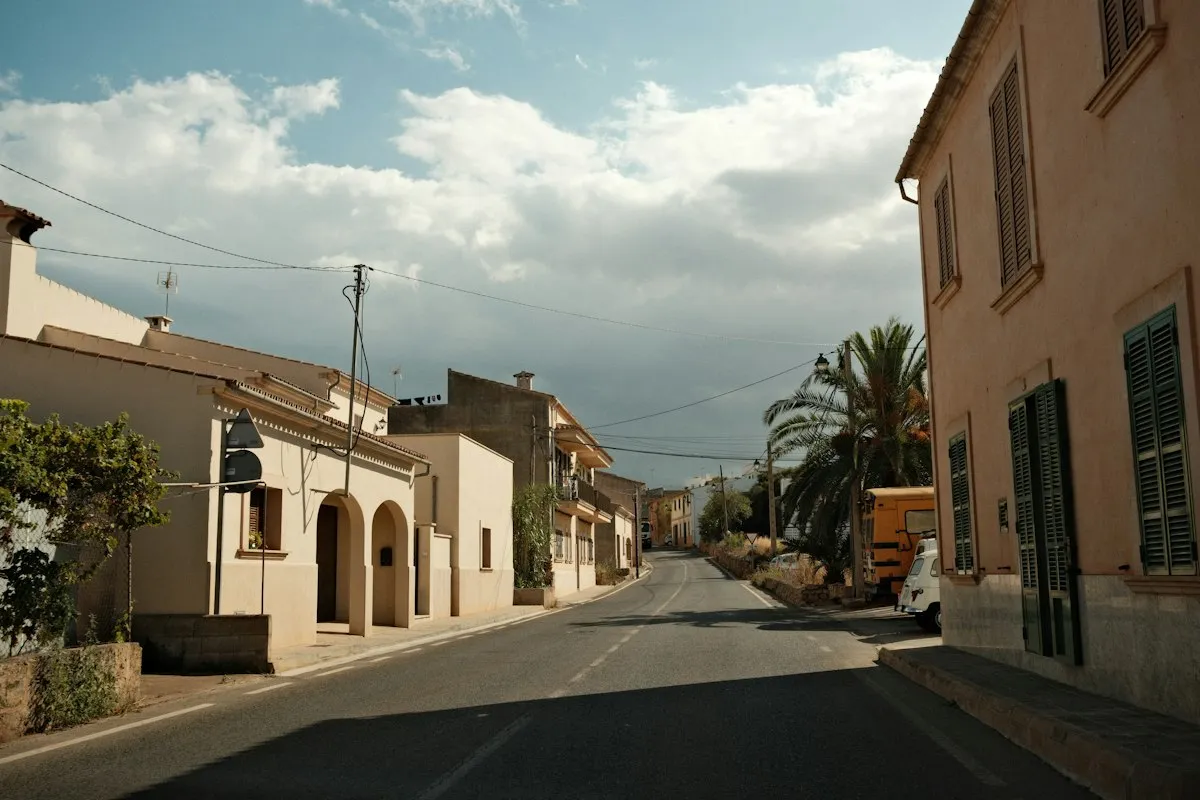
Staying Through the Seasons: Knowing a Place Beyond Its Postcard
There is a version of every place that lives on postcards. It is usually summer, the light is golden, and everyone seems to be on holiday. Most of us meet a city this way first, in its brightest season, when it is performing for visitors.
But a place only begins to reveal itself when you stay long enough to see it change. The first autumn, the first grey week, the first time the streets empty out and the town goes back to being itself. That is when the real introduction happens.
The Postcard and the Calendar
Travel teaches us to collect highlights. We arrive for the festival, the beach days, the famous view at sunset. There is nothing wrong with that. Highlights are how curiosity gets started.
Living somewhere asks for something different. It asks you to trade the postcard for the calendar. Instead of one perfect moment, you get the full cycle: the quiet months and the loud ones, the weeks when everything is open and the weeks when half the shutters stay down.
As a US-born expat, I have come to think that this is one of the most generous things a place can offer. It lets you see it when it is not trying to impress anyone.
What the Off-Season Teaches
The off-season is where belonging quietly begins. The crowds thin. The pace slows. The people you pass on the street are more likely to be neighbors than visitors, and their routines become visible in a way they never are in high season.
You notice which cafés stay open and which close for weeks at a time. You notice when the markets shift from one kind of fruit to another. You notice how the light lands differently on the same building in October than it did in July.
None of this is dramatic. That is exactly the point. A place you know only at its peak is a place you have visited. A place you know in its ordinary weeks is a place you are starting to live in.
Reading a Place Through Its Rhythms
Every city has a rhythm that only shows itself over time. There are the hours when life moves outdoors and the hours when everything goes still. There are the holidays that rearrange the whole town, and the long stretches between them when daily life simply carries on.
Learning those rhythms is a kind of literacy. At first you read them slowly, a little surprised each time. Then one day you realize you have stopped being surprised. You plan around the quiet afternoon without thinking. You know which week the city will empty out. You have absorbed something no guidebook could have told you.
That shift, from noticing to knowing, is one of the quiet markers of arrival.
Letting the Seasons Change You Too
Staying through the seasons does not only change how you see a place. It changes how you live in it.
Habits that made sense somewhere else begin to soften. You may find yourself eating at different hours, spending more time outside, or slowing down in the months when everyone around you does. You begin to borrow the local calendar and let it shape your own.
I find something freeing in this. So much of modern life asks us to run at the same speed all year long. Living in step with a place, rather than against it, is a gentle reminder that it is natural for life to have seasons of its own, some fuller and some quieter.
The Second Time Around
There is a particular pleasure in the second year somewhere. The first time a season comes around, everything is new. The second time, it feels like recognition.
You know what is coming. You look forward to it. The return of a certain fruit at the market, a certain quality of evening light, a certain festival filling the streets again. These small returns become anchors, the way a familiar song can bring back a whole chapter of your life.
This, I think, is how a place slowly turns into home. Not through one grand moment of feeling settled, but through the accumulation of small recognitions, season after season.
An Invitation to Stay a Little Longer
If you are traveling, consider visiting somewhere you love in the season no one talks about. If you have recently moved abroad, try to resist judging your new home by its first few months. Give it a full year, at least. Let it show you every side of itself.
The postcard version of a place is beautiful. But the version you meet when you stay, through the bright months and the grey ones, is the one that has room for you in it.
Life beyond the familiar is not only about going somewhere new. Sometimes it is about staying long enough for the new to become known.
