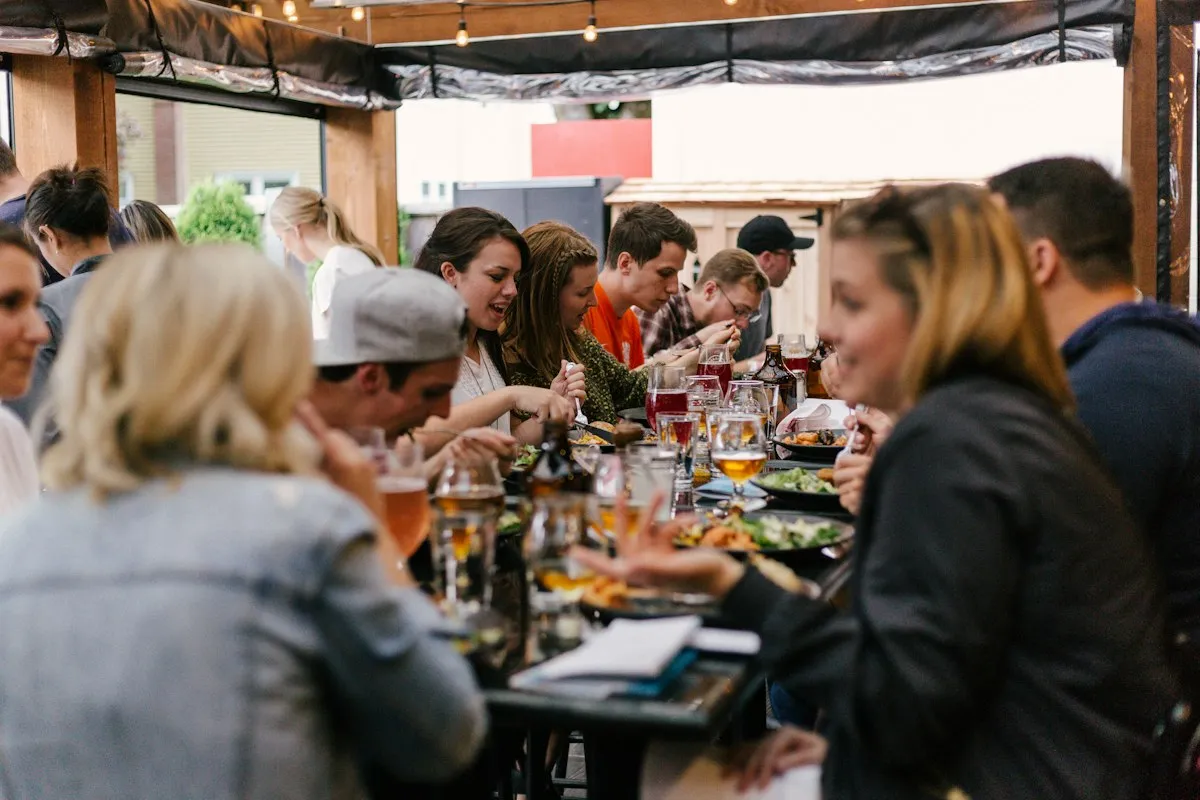
The Gift of Lingering: What Sobremesa Teaches Us About Gathering
There is a word in Spanish for the time after a meal, when the plates have been cleared but no one is quite ready to leave. Sobremesa. Literally, "over the table." It names the conversation that lingers, the second coffee, the stories that only surface once everyone has stopped glancing at the clock.
Before I lived in Spain, I had no single word for this. A meal, in my mind, came with an ending built in: the dishes, the goodbyes, the early morning waiting on the other side of the night. Living in Spain has slowly loosened that idea. Here, the meal is often only the doorway. The real visit begins after.
A Word for What Comes After
Language has a way of making visible what a culture values. When a people takes the trouble to name something, it is usually because they have decided it matters. Sobremesa is not a ritual with rules or a ceremony with steps. It is simply permission to stay.
That permission is quietly radical. It says the purpose of gathering is not to finish the food but to be with one another. The meal is the reason you sit down; the company is the reason you remain.
I have come to think of it as the part of the evening that cannot be planned. You can choose the menu, set the table and pour the wine, but you cannot schedule the moment someone finally tells the story they have been carrying, or the laughter that rolls on longer than the joke deserves. Those things arrive only when there is room for them.
Unlearning the Hurry
For many of us raised with a certain rhythm of productivity, lingering can feel almost uncomfortable at first. There is a small voice that asks whether everyone is ready to go, whether we have overstayed, whether there is something more useful to be doing.
Part of living abroad is noticing these inherited reflexes. Not judging them, but seeing them clearly enough to choose. I have found that the urge to wrap things up is rarely about the people at the table. It is about a habit of measuring time by what gets done rather than by what gets shared.
Unlearning that hurry has been one of the gentler gifts of expat life. It does not happen all at once. It happens one long afternoon at a time, as you realize that no one is waiting for you to leave, and that the slowness is the point.
The Table as a Place to Stay
A table changes shape when people are invited to stay at it. It stops being a place of service and becomes a place of presence. The empty glasses and scattered crumbs are not a mess to be cleared but evidence that something good is still happening.
Across cultures, the most memorable gatherings seem to share this quality. Whether it is a long lunch in the Mediterranean, tea that keeps being refilled, or a kitchen where everyone ends up standing long after dinner, the magic is rarely in the dish itself. It lives in the unhurried space that follows.
When I think about the kind of host I want to be, I think less about impressive food and more about that space. Can people relax here? Do they feel they are allowed to stay?
Hosting for the Hours, Not the Menu
If sobremesa has taught me anything about gathering, it is to plan for the hours rather than the menu. A few small choices make lingering feel natural:
Keep the clearing quiet. Leave the table as it is for a while rather than signaling the end with a flurry of tidying. Have something simple ready for later, like coffee, fruit or a little something sweet, so the evening has a gentle second act. Choose comfortable chairs over formal ones. And resist the instinct to fill every pause; silence at a table of friends is often where the deeper conversation begins.
Most of all, arrive at your own gathering without an exit in mind. Guests can feel when a host is watching the time. They can also feel when a host is fully there.
Making Room to Linger
We often talk about building community as if it requires grand gestures. In my experience, it more often requires margin. Room in the calendar. Room in the evening. Room for a conversation to wander somewhere no one expected.
Sobremesa is a reminder that belonging is not only built in the moments we plan, but in the ones we allow. Wherever you live, you can borrow this idea. Set the table, share the meal, and then, when the plates are cleared, stay a little longer.
The best part of the evening may be just beginning.
