The Language of Gifts: What Giving Customs Reveal About a Culture
There is a small moment anyone who has lived abroad will recognize. You are standing at a door with something wrapped in your hands, and suddenly you are unsure. Is this too much? Too little? Should it have been flowers instead of wine, or nothing at all?
That flicker of doubt is one of the most honest lessons a new culture offers. Gifts look simple, but they carry a quiet grammar of their own. What we give, how we give it and how it is received say a great deal about what a place values: generosity, modesty, ceremony, ease.
More Than the Object
Like many Americans, I absorbed a fairly relaxed approach to gifts. Bring something to the party, sign a card, say thank you. The object mattered, but the rules felt loose and forgiving.
Living abroad has shown me that in many cultures the gift is almost secondary. What matters is the gesture around it: the wrapping, the timing, the words, the way it passes from one pair of hands to another. The object is the sentence. The customs are the tone of voice.
The Art of the Wrap
In Japan, presentation is part of the gift itself. Careful wrapping, a modest word as the gift is offered, and the custom of bringing small souvenirs, omiyage, home to colleagues and friends after a trip all speak to a culture that treats giving as a form of attention. The care you take shows the care you feel.
Elsewhere, a different surprise awaits. In much of Spain and Latin America, a host may open your gift right away, in front of everyone, and enjoy it with you. In other places, opening a present in front of the giver can feel abrupt, and gifts are set aside to be opened later, in private. Neither is more correct. Each reflects a different idea of where the pleasure belongs: shared in the moment, or savored in quiet.
Flowers, Numbers and Meanings
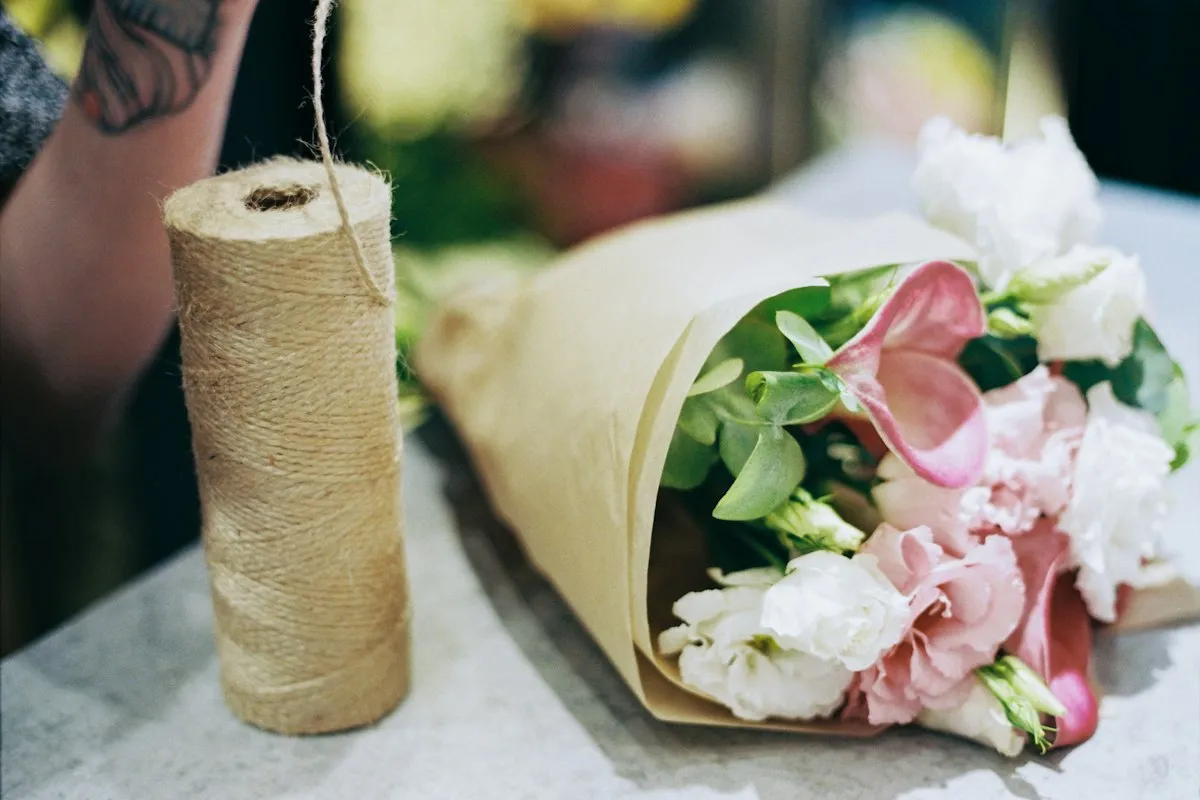
Few gifts seem more universal than flowers, and few are more layered with local meaning. In parts of Europe, chrysanthemums are linked with remembering the dead and rarely appear at a dinner party. In several Eastern European countries, bouquets are given in odd numbers, because even numbers are reserved for funerals. Colors carry their own messages too, and those messages shift from border to border.
I find this endlessly moving. A flower is never only a flower. It arrives carrying the history, beliefs and memories of the people who will receive it.
Learning to Receive
Giving is only half of the conversation. Receiving has its customs too. In some cultures, a gift is politely declined once or twice before it is accepted, a small ritual of modesty that can puzzle a newcomer who takes the first refusal at face value. In others, an enthusiastic thank-you is expected on the spot, followed by a note or a return invitation.
Learning to receive gracefully in a new place is its own kind of fluency. It asks you to slow down, watch closely and resist the urge to hurry past the moment. It reminds you that gratitude, like language, has an accent.
When in Doubt, Ask
The kindest approach I know is also the simplest: ask. A neighbor, a colleague or a friend who grew up there will almost always be glad to explain what is customary, and the question itself becomes a small gift. It says, I want to get this right because you matter to me.
Mistakes will happen. You may bring the wrong flowers or open the box too soon. Most people forgive a newcomer's misstep easily when it comes wrapped in sincerity. What lingers is not the error but the effort.
The Gift of Paying Attention
Perhaps that is the deepest lesson. Every culture's customs around giving are, at heart, a way of saying I see you. The wrapping, the flowers, the timing, the thank-you: all of it is a language of attention.
When you live beyond the familiar, you get to learn that language again and again, in different dialects. And each time you stand at a door with something in your hands, a little unsure, you are practicing one of the oldest forms of belonging there is.
