The Open Table: Gathering People Across Cultures
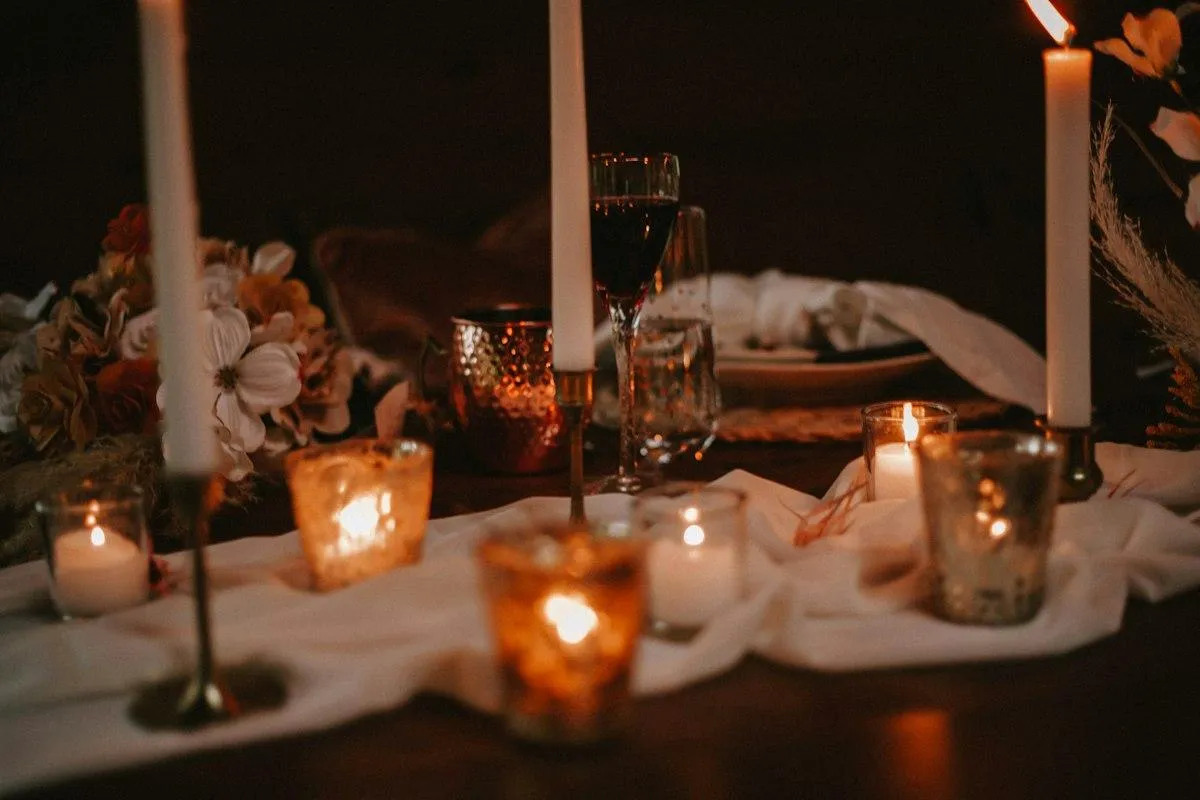
There is a particular kind of quiet that settles over a table once the plates are cleared. No one reaches for a phone. No one checks the time. The conversation loosens, drifts, circles back. In Spain there is a word for this lingering: sobremesa, the time spent at the table after the meal is over. It has no neat translation in English, and I have come to think that is telling.
Living in Valencia as an American expat, I think often about what it means to gather people. Not to entertain them, not to impress them, but to make room for them. The table has become one of my favorite teachers in that practice, because it asks so little and offers so much.
The Table Was Never About the Food
We tend to believe hosting begins with a menu. We plan the dishes, worry about timing, fuss over whether there will be enough. And yes, food matters. It is care made visible. But the older I get, and the farther I live from where I began, the more I believe the food is simply the excuse.
What people remember is how it felt to be there. Whether they were seen. Whether they could relax. Whether the evening had space for the unplanned turn in conversation, the second pot of coffee, the story that took twenty minutes to tell and was worth every one of them.
A simple meal offered with an open heart will almost always outlast an elaborate one served with anxiety.
Every Culture Sets the Table Differently
One of the gifts of living internationally is discovering how many ways there are to gather. In some places, meals are long and late, and leaving early can feel like a small rejection. In others, dishes arrive all at once and everyone reaches across one another, sharing from the center. Some traditions honor the eldest first. Some expect guests to bring something; others would find that strange.
None of these is the right way. Each is a window into what a culture values: time, abundance, hierarchy, informality, generosity. When you sit at someone else's table, you are being invited, for a few hours, into their understanding of what it means to belong.
And when you set your own table in a new country, you get to choose. You can carry forward the rituals that shaped you, borrow the ones that moved you, and let the two quietly blend into something that feels like yours.
Hosting as a Bridge
For those of us who have moved abroad, gathering people takes on a deeper meaning. Community does not arrive with your moving boxes. It is built, slowly and deliberately, one invitation at a time.
There is courage in being the one who asks. It means risking a polite decline or an awkward silence. It means opening your home before you feel fully at home yourself. But a shared meal is one of the few experiences that crosses nearly every border. You may not share a first language with everyone at the table, yet you can pass the bread, refill a glass, and laugh at the same moment.
Some of the most meaningful conversations happen between people who had to work a little to understand each other. The effort itself becomes a form of respect.
Making Room for Imperfection
If there is one thing I would tell anyone hesitant to host, it is this: the gathering does not need to be perfect to be good. The chairs can be mismatched. The dish can be a little overdone. The apartment can be small.
What makes people feel welcome is rarely polish. It is presence. It is the host who sits down instead of hovering, who listens instead of performing, who lets the evening find its own rhythm. Guests take their cues from you. If you are at ease, they will be too.
Imperfection also leaves room for others to contribute. Someone offers to chop, someone brings dessert, someone clears plates without being asked. That is when a dinner becomes a gathering, and a gathering begins to become a community.
The Art of Staying a Little Longer
Perhaps that is what sobremesa really teaches. Not a rule about meals, but a posture toward people. Stay a little longer than is efficient. Let the conversation wander. Resist the urge to move on to the next thing.
In a world that prizes speed, lingering is a quiet act of devotion. It says: you are worth my time, and this moment is worth savoring.
So set the table, even if it is small. Invite the neighbor you have only nodded to, the colleague who is also new in town, the friend of a friend. Pour something warm. Let the plates sit a while after the meal is done. The world gets a little smaller, and a little kinder, every time we make room for one more chair.
