The Second Calendar: Learning a Culture Through Its Festivals
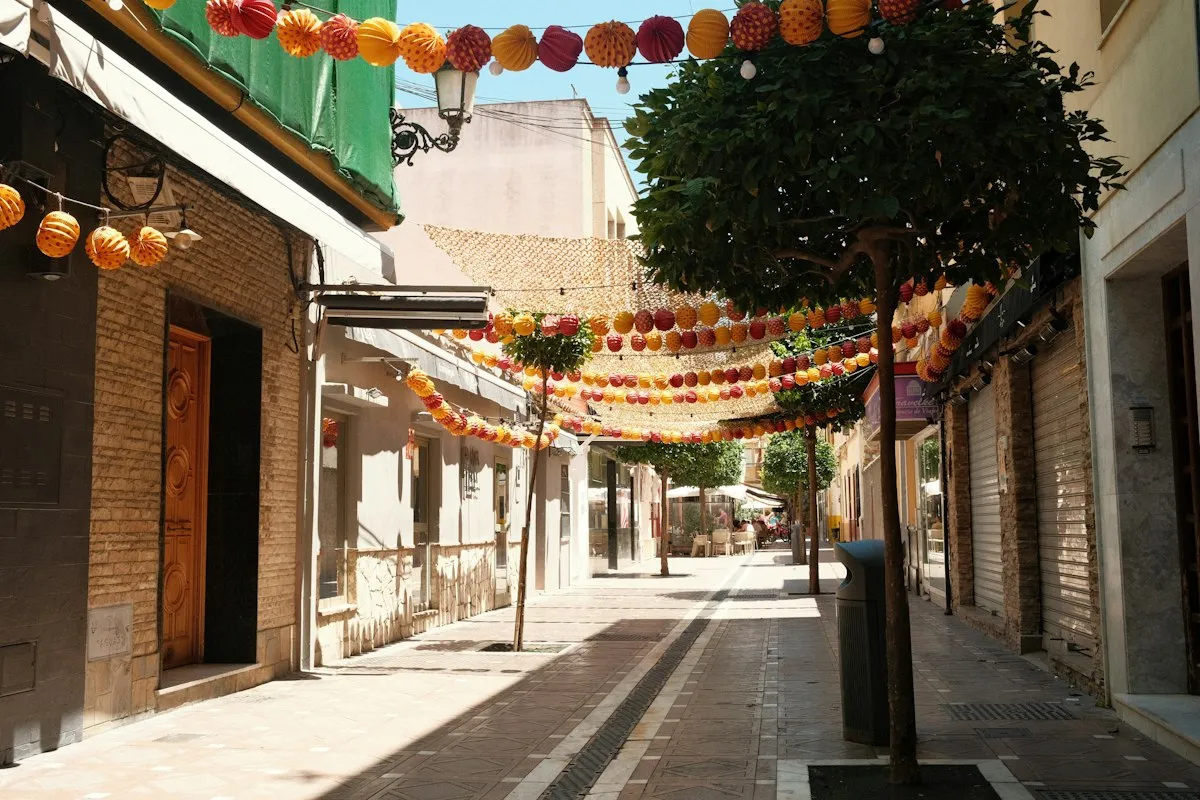
Every place keeps a second calendar. It runs alongside the one on your phone, quietly, and it is marked not by meetings and deadlines but by feast days, harvests, processions, fireworks and the particular foods that appear for a few weeks each year and then vanish again.
When you first move somewhere new, you live almost entirely by the first calendar. You are busy with paperwork, with finding the good bakery, with learning which bus goes where. The second calendar happens around you, often as a surprise. Streets close. Shops shut for a day you did not know was a holiday. Music drifts in through the window at an hour that seems unreasonable.
Over time, I have come to believe that learning this second calendar is one of the most generous ways to know a culture.
The Year Has a Shape
In the place I grew up, the year had a shape I never had to think about. Certain holidays arrived with their own smells, songs and rituals, and I knew them so well they felt like weather rather than culture.
Living in Valencia as an expat showed me that every place carries its own version of that shape. Spring there is announced loudly, with Las Fallas filling the city with towering sculptures, music and smoke before they are burned. Other moments are quieter: a saint's day in a neighborhood, a seasonal sweet in a bakery window, a change in the rhythm of the street when summer settles in.
None of these are things you can learn from a guidebook in any real sense. You learn them by being present when they come around, and then by noticing when they come around again.
Festivals Are a Culture Speaking Out Loud
Much of a culture is unspoken. It lives in tone, in timing, in what people assume without saying. Festivals are different. They are the moments when a community says, plainly and publicly, this is what matters to us.
Watch what a place chooses to celebrate and you learn what it remembers. Watch how it celebrates and you learn what it values: whether joy is loud or contemplative, whether the center of things is the church, the square, the kitchen or the street. Watch who takes part and you begin to see how a community understands itself, across generations and neighborhoods.
There is a humility in simply observing first. Before I join in, I want to understand what I am joining.
The Foods That Only Come Once
Some of the most beautiful parts of a cultural calendar are edible. In many places, certain dishes and sweets belong to a single season or a single feast. They appear, are enjoyed with a kind of urgency, and then disappear until next year.
I love this about traditional food. It resists the idea that everything should be available all the time. It asks you to wait, to anticipate, and to mark the passing of the year with your appetite as much as with your eyes.
When you live somewhere long enough to begin looking forward to these things, something shifts. You are no longer only a visitor tasting a local specialty. You are someone who has been waiting for it, the way everyone else has.
Being a Guest at Someone Else's Celebration
There is a delicate line for anyone living abroad. Celebrations can be generous and welcoming, and many communities love to share them. They are also not ours in the same way they belong to people who grew up with them.
I try to hold both truths. I show up with curiosity and gratitude. I ask questions rather than assume. I let people tell me what a tradition means to them, and I accept that the meaning may be layered, personal and sometimes contested. Being a good guest at someone else's celebration is its own small cultural fluency.
Letting the Second Calendar Become Yours
The longer you live somewhere, the more the second calendar seeps into you. You start planning around it. You know when the city will be crowded and when it will empty out. You notice, almost without thinking, that a particular season has arrived because of a sound, a smell or a sweet in a shop window.
This does not erase the calendar you carry from home. For many of us who live between cultures, the year ends up with two shapes layered over one another. Some days are doubled. Some traditions are kept privately, some are shared, and some are newly adopted with a beginner's delight.
I have come to see this as one of the quiet gifts of a global life. You do not lose your seasons. You gain more of them.
So if you have recently arrived somewhere new, here is a gentle suggestion: get curious about the year. Ask what people are looking forward to. Notice what the bakeries are selling. Mark the festivals on your own calendar, even if you only watch from the edge of the square the first time. A culture is always telling you who it is. Its calendar is one of the clearest ways it speaks.
