Where Are You From? The Long Answer of a Life Abroad
It is usually the second or third question, right after a name. Sometimes it comes from a shopkeeper, sometimes from a new friend at a dinner table, sometimes from a stranger who has caught the shape of my accent. Where are you from?
For most of my life, the answer was simple. Then I moved abroad, and the question quietly became one of the most interesting things anyone asks me.
A Simple Question With a Long Answer
On paper, I am from the United States. That is where I was born, where I learned to speak and sing and see the world. It is true, and I say it with affection.
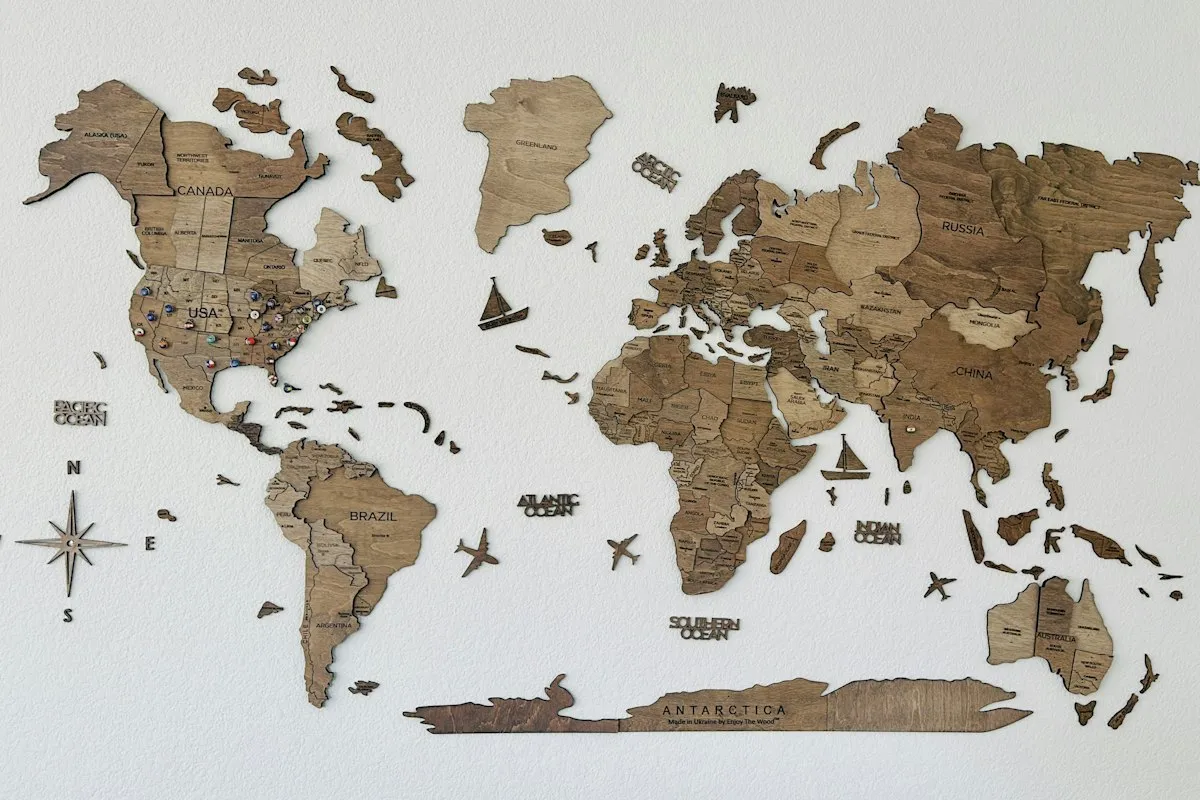
But after enough time living abroad, the honest answer begins to stretch. Am I from the place I was born, or the place where I buy my bread? The place my passport names, or the place where my days now have their rhythm? The question assumes there is one dot on the map. A life lived internationally tends to draw a line between several.
I have come to think that the question is less about geography than about orientation. People want to know how to place you, which stories you carry, which jokes you will understand. That is a fair thing to want. It just rarely fits into one word.
The Versions We Offer
Most people who live between cultures develop a small repertoire of answers. There is the short version for the taxi ride, the polite version for the official form, and the long version for the friend who leans in and actually wants to know.
I used to think this was a kind of evasion. Now I see it as a courtesy. Not every moment calls for a life story, and choosing the right answer for the right listener is its own form of social fluency, as much a part of adapting as learning a new language.
What matters is that none of the versions are false. They are simply different doors into the same house.
When Home Stops Being a Single Place
There is a moment that many people abroad describe, when the word home begins to slip. You say you are going home and realize you could mean either direction. You miss one place while standing in the other, and then, on arriving, find yourself missing the place you just left.
This can feel unsettling at first, as if you have lost something solid. I have come to see it differently. Home did not disappear. It multiplied. It became less of an address and more of a set of relationships: with people, with rituals, with the small routines that make a day feel like yours.
Belonging, it turns out, is not a fixed inheritance. It is something you keep building, and you can build it in more than one place at once.
What the Question Gives Back
The longer I live abroad, the more I notice what this question opens up. When someone asks where I am from, I often turn it around. Where are you from? And very often, their answer is longer than they expected too.
A grandmother from another region. A childhood spent somewhere else. A parent who crossed a border, a decade spent in a city they still dream about. Many lives that look rooted from the outside are layered on the inside. The question, asked with real curiosity, becomes an invitation for both people to be a little more complete.
That is one of the quiet gifts of global living. It makes you more patient with complicated answers, including your own.
Carrying More Than One Story
I no longer feel I need to resolve the question. I am a US-born woman who lives abroad, and both halves of that sentence matter. One gave me my first language, my music, my way of laughing. The other keeps teaching me how to listen, how to slow down, how to belong without owning a place outright.
Perhaps the best answer to where are you from is not a location at all, but a description of what you carry. The places that shaped you. The places you are letting shape you now. The ones you have not met yet.
So the next time someone asks, I hope you take your time with it. Give the short version if the moment calls for it. But know that the long one, with all its turns and crossings, is not a complication to apologize for. It is the story of a life beyond the familiar, and it is worth telling well.
